TPE Vs TPU: Best Flexible Material for Injection Molding
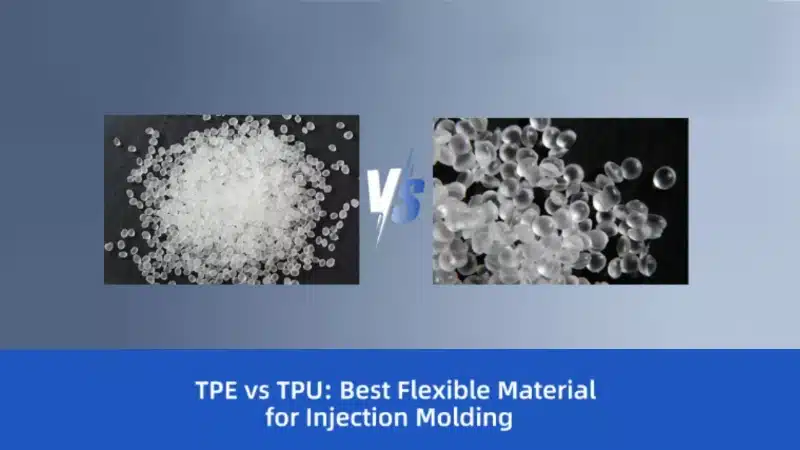
When it comes to manufacturing flexible plastic parts through injection molding, two materials often stand out: TPE (Thermoplastic Elastomer) and TPU (Thermoplastic Polyurethane). Both materials are known for their flexibility, elasticity, and wide range of industrial applications, but choosing the right one depends on your product requirements.
At Alpine Mold, we frequently help customers evaluate the difference between TPE injection molding and TPU injection molding to select the best solution for their projects. In this blog, we’ll compare TPE and TPU in terms of properties, performance, cost, and applications, so you can make an informed decision for your next injection molding project.
What is TPE?
TPE (Thermoplastic Elastomer) is a class of polymers that combines the elastic properties of rubber with the processability of thermoplastics. Unlike traditional rubber, TPE can be melted and re-molded multiple times, making it highly versatile in injection molding.
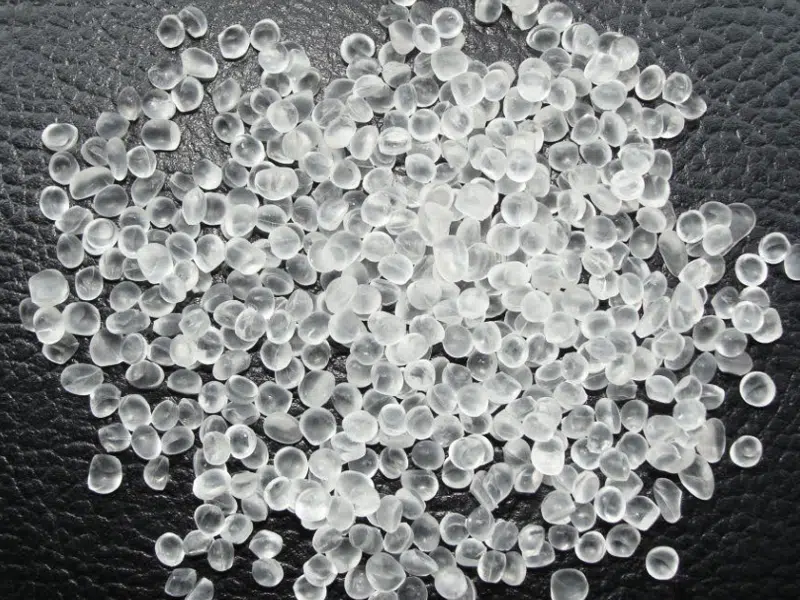
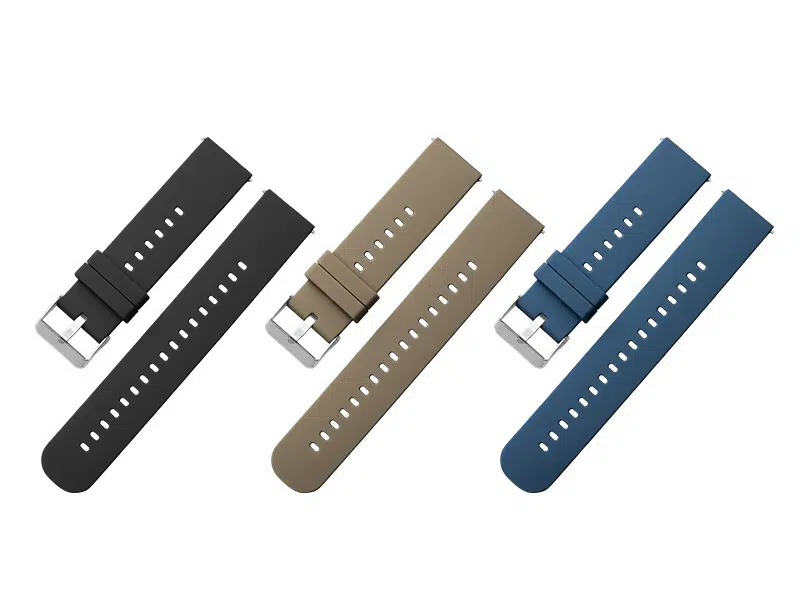
Key Properties of TPE
- Flexibility & Elasticity: TPE can bend, stretch, and recover its shape without breaking.
- Soft Touch Feel: Ideal for consumer products requiring comfort and grip.
- Lightweight: Generally lighter than TPU.
- Chemical Resistance: Good against weak acids and bases, but not as strong as TPU.
- 5.Temperature Range: Performs well in moderate temperature environments.
Advantages of TPE Injection Molding
- Excellent for overmolding with rigid plastics like ABS,PP or PC.
- Easy to process with shorter cycle times.
- Cost-effective compared to TPU.
- 4.Offers a wide hardness range (measured in Shore A and Shore D).
What is TPU?
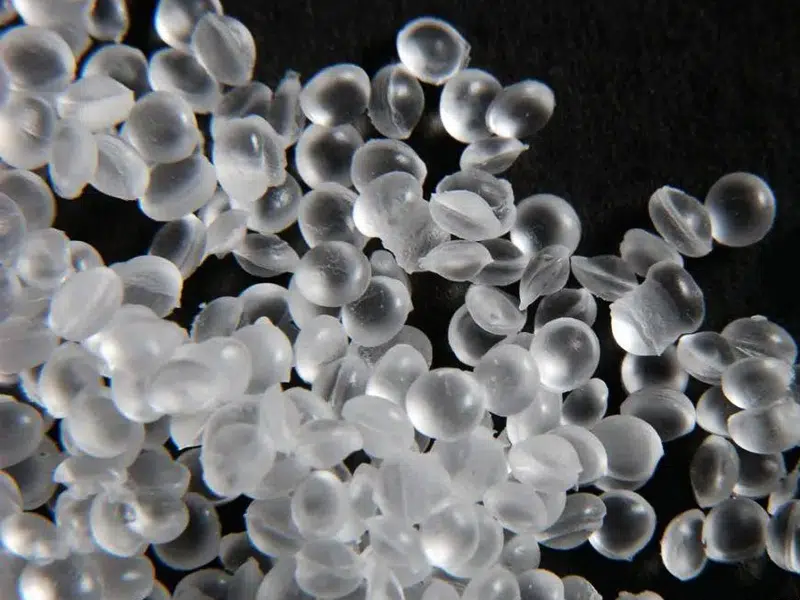
TPU (Thermoplastic Polyurethane) is a specific type of TPE with enhanced mechanical strength, durability, and resistance to abrasion. It is often chosen for demanding applications where toughness and long service life are critical.
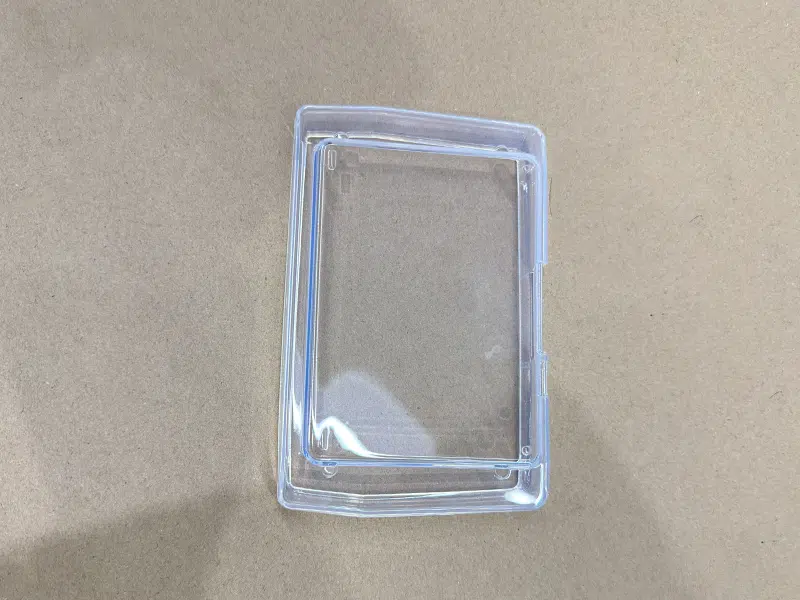
Key Properties of TPU
- Superior Durability: High resistance to abrasion, tearing, and wear.
- High Elasticity: Maintains flexibility even in cold conditions.
- Excellent Chemical Resistance: Resistant to oils, fuels, and many solvents.
- Transparency: Available in clear grades, ideal for aesthetic parts.
- Temperature Performance: Better heat resistance compared to standard TPE.
Advantages of TPU Injection Molding
- Stronger mechanical properties for long-lasting parts.
- Excellent load-bearing capacity.
- Superior performance in harsh industrial environments.
- Maintains flexibility across a wider temperature range.
Which Flexible Material Fits Your Project: TPE or TPU?
1. Cost Considerations
TPE:In TPE injection molding, It is more economical due to its lower material price, faster cycle times, and easier processing—ideal for large-volume, cost-sensitive projects.
TPU: In TPU injection molding, the cost is higher due to longer cycles and precise processing requirements, but durability and resistance make it a smarter choice for high-performance parts where long service life offsets the initial expense.
2. Overmolding Considerations
TPE: Best for strong adhesion with ABS, PC, and PP, widely used in consumer product designs.
TPU: More suitable for overmolding with Nylon (PA6, PA66), but may need primers or surface treatment for reliable bonding.
3. End-Use Environment Considerations
TPE: TPE injection moulding is ideal when soft-touch comfort and ergonomics are key, such as in handles, grips, and other consumer goods.
TPU: TPU injection moulding is preferred for parts exposed to harsh environments, chemicals, or heavy wear, ensuring superior durability and long service life.
4. Industries Applications
Automotive:
TPE is widely used for seals, gaskets, interior trim, and dust covers, offering comfort and flexibility. TPU is preferred for bushings, dampers, protective films, cable sheaths, and under-the-hood components that demand durability and chemical resistance.
Medical:
TPE is suitable for disposable tubing, grips, syringe seals, and flexible connectors, where cost efficiency and comfort matter. TPU is chosen for long-term implants, catheters, medical device housings, and durable tubing requiring biocompatibility and long service life.
Consumer Goods:
TPE works well in soft-touch grips, kitchen utensils, toothbrush handles, toys, and cosmetic packaging. TPU is applied in phone cases, sports gear, footwear soles, watch straps, and protective covers for its abrasion resistance.
Industrial:
TPE is effective in light-duty seals, grommets, vibration pads, and cable gaskets. TPU is best for heavy-duty hoses, rollers, conveyor belts, wheels, and cable jackets used in demanding environments.
5. Design and Processing Considerations
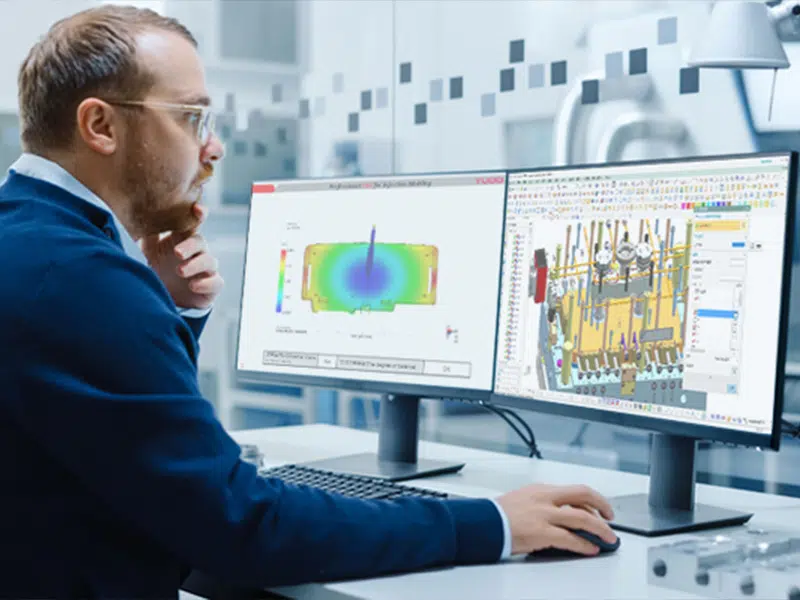
When choosing TPE or TPU for injection molding, part design and processing parameters play a crucial role in achieving high-quality results. Both materials are flexible thermoplastics, but they behave differently under molding conditions. Understanding these nuances helps prevent common defects and ensures stable mass production.
Conclusion
Both TPE and TPU are excellent choices for flexible injection molded parts, but they serve different purposes:
l Choose TPE if you need a cost-effective, flexible, and soft-touch solution for consumer products or moderate-duty parts.
l Choose TPU if your project requires extreme durability, chemical resistance, and long-term performance under harsh conditions.
At Alpine Mold, we help global customers make the right choice for their specific applications. Whether you’re designing a medical catheter, automotive damper, or consumer electronics housing, we deliver custom injection mold or injection molding solutions that balance performance and cost. Contact us today!