Practical Solutions from Mold Design to Injection Process
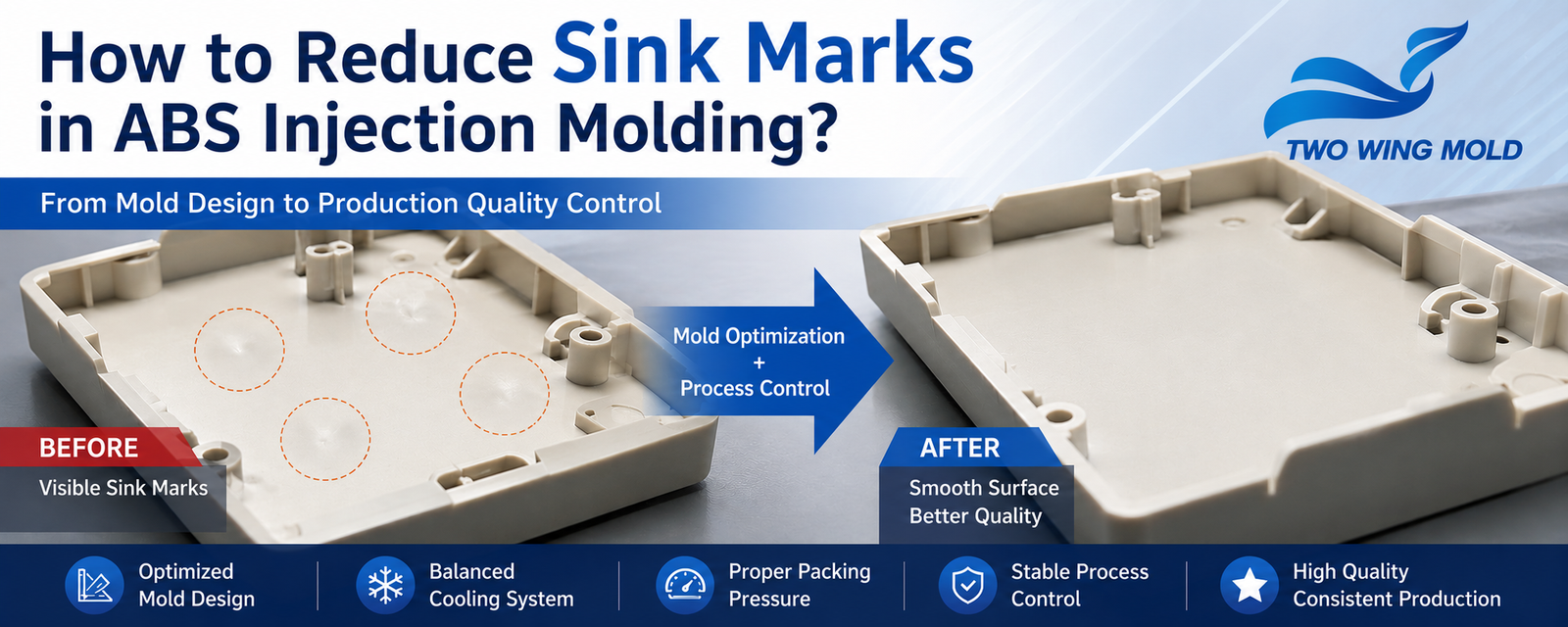
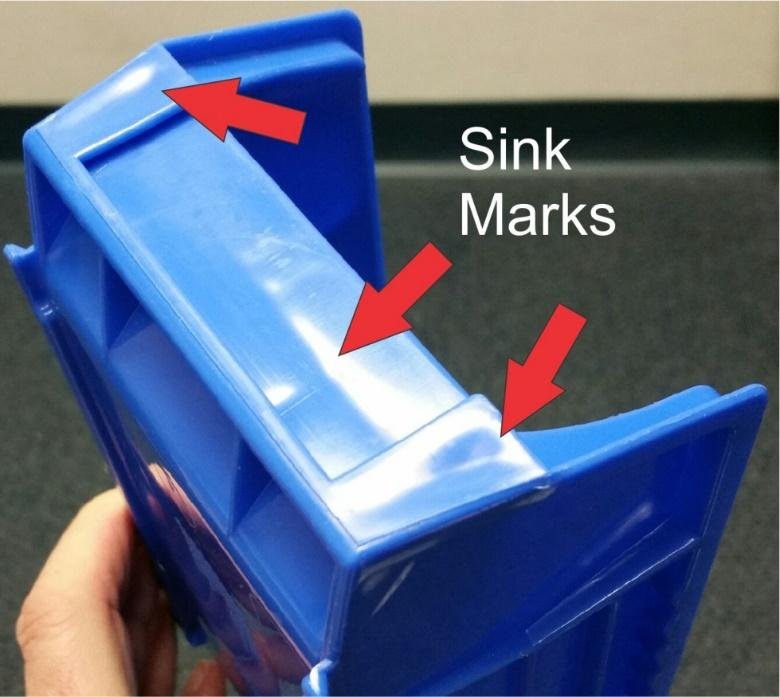
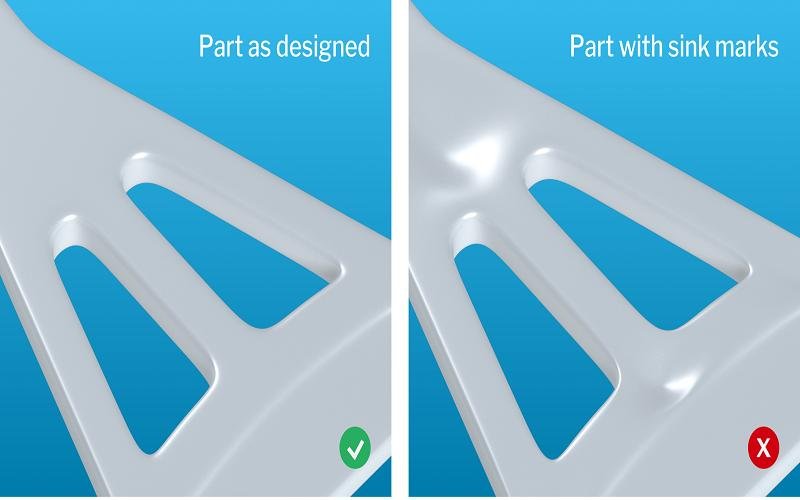
Sink marks are one of the most common surface defects in ABS injection molding. They usually appear as small depressions or uneven areas on the plastic part surface, especially around ribs, bosses, thick walls, and internal structures.
For manufacturers and engineers, reducing sink marks means improving part appearance, dimensional stability, and production consistency.
1. Optimize Part Design (The First Step)
❌ Problem:
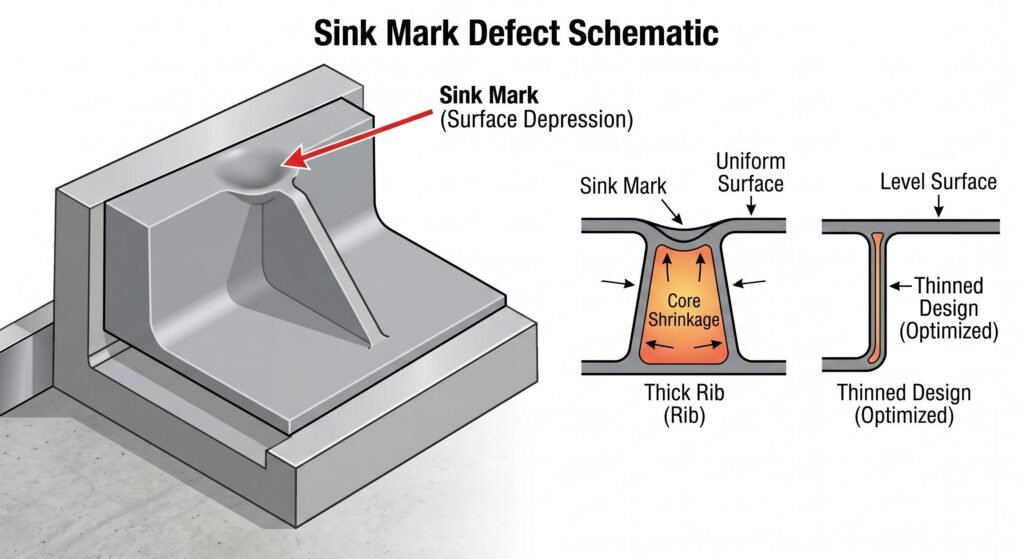
Uneven wall thickness causes different cooling speeds. Thick areas shrink more during cooling and create sink marks.
✅ Solution:
✔ Keep wall thickness uniform ✔ Avoid unnecessary thick sections ✔ Use ribs instead of adding extra material
Recommended ABS wall thickness:
General parts: 1.5–3.5 mm
• Thick areas should be designed carefully
2. Improve Rib & Boss Design
Ribs and bosses are common sink mark locations.
Wrong Design:
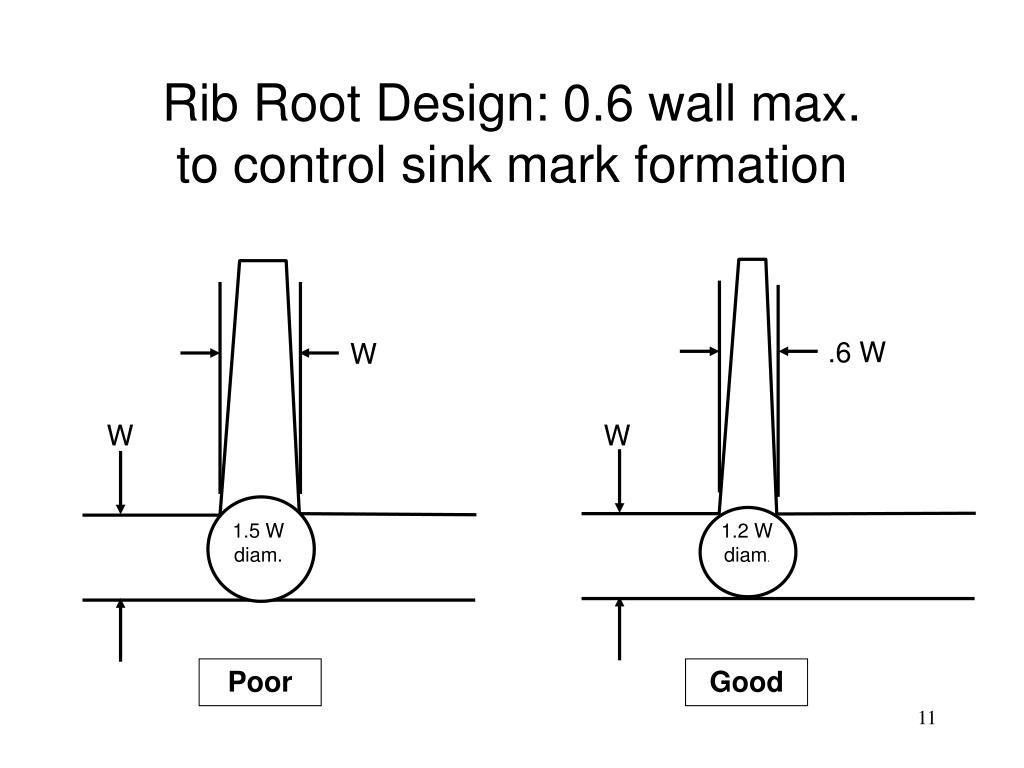
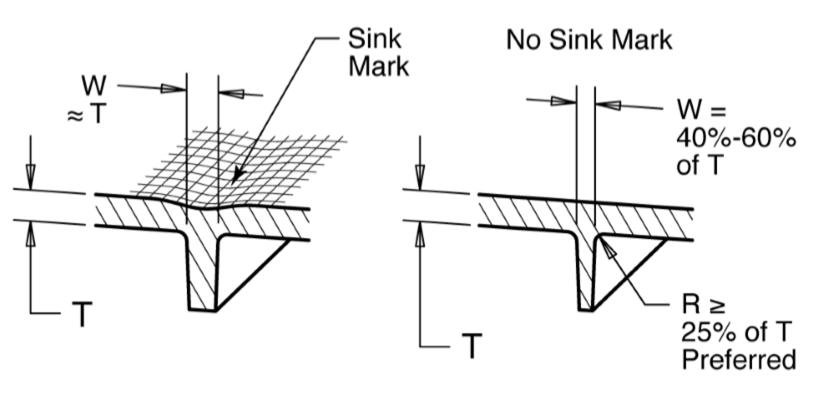
❌ Rib thickness too close to the main wall thickness ❌ Thick boss base creates excessive shrinkage
Better Design:
✅ Rib thickness: around 40–60% of nominal wall thickness ✅ Add proper draft angle ✅ Use optimized boss structure
This allows better cooling and reduces surface depression.
3. Increase Packing Pressure & Holding Time
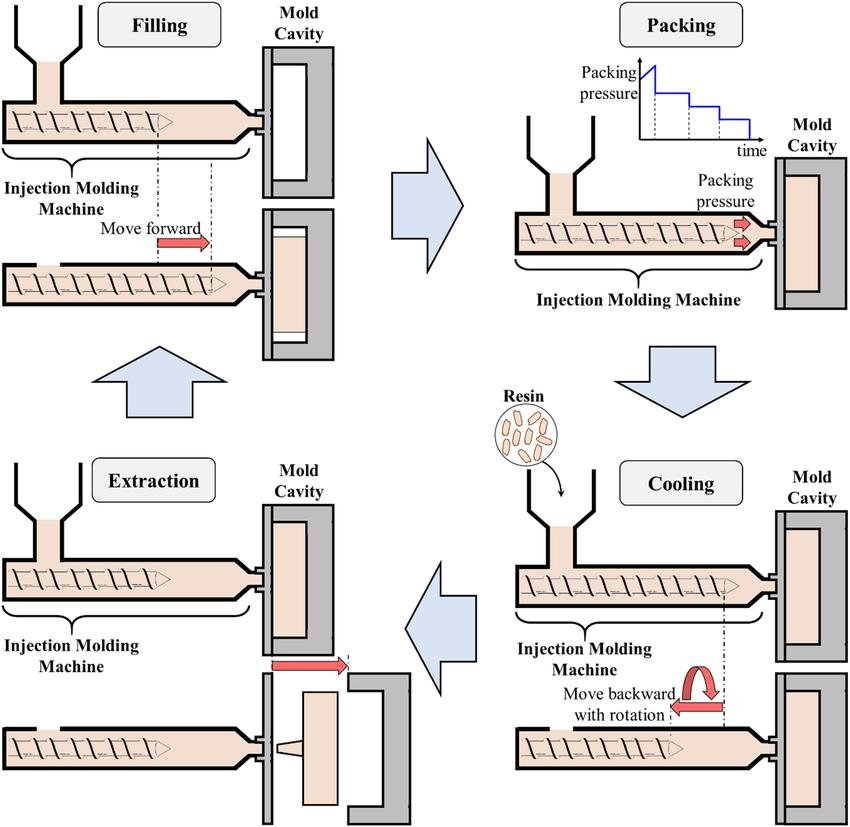
During injection molding, plastic shrinks while cooling.
If the holding pressure is too low:
➡ Less molten plastic enters the cavity
➡ Internal shrinkage increases
➡ Sink marks appear
Process adjustment:
✔ Increase packing pressure
✔ Extend holding time
✔ Optimize gate freezing time
A well-designed cooling system improves cycle time and part quality.
4. Control Mold Temperature
Mold temperature directly affects cooling behavior.
Too high:
❌ Longer cooling time ❌ More shrinkage risk
Too low:
❌ Poor surface finish ❌ Internal stress
For ABS injection molding:
A balanced mold temperature helps achieve: ✔ Better surface quality ✔ Stable dimensions ✔ Reduced sink marks