Beyond the Garage: A Startup’s Guide to Low-Cost, High-Precision Molding
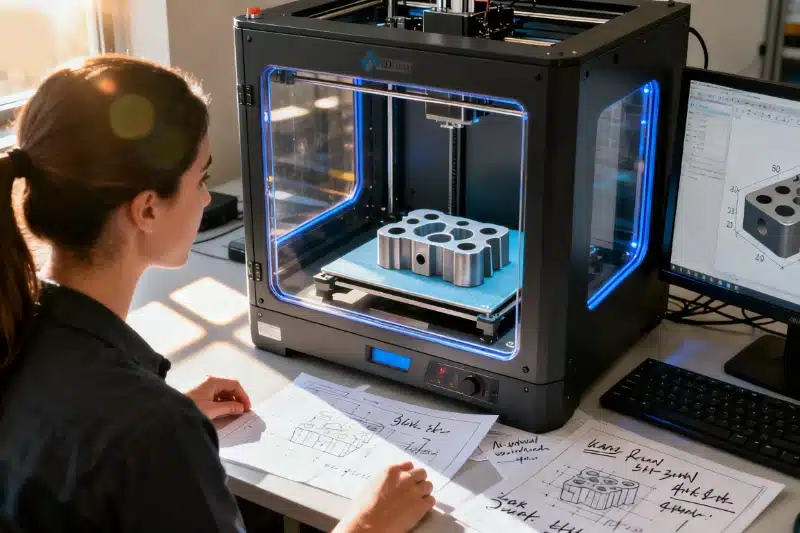
So, you’ve nailed the product-market fit. Your CAD models are pristine, and you’ve validated your idea with a killer 3D-printed prototype. Now comes the hardest part for any hardware startup: bridging the gap from prototype to production without burning through your entire seed round.
For decades, the path was brutal: save up $50,000-$100,000+ for a set of traditional steel injection molds. This massive upfront cost has killed more innovative products than we can count.
But what if we told you the game has changed?
A new manufacturing landscape offers startups a smarter path: low-cost, high-precision molding. This isn’t about cutting corners; it’s about being strategic with technology and partners.
Why Traditional Steel Molds Are a Startup’s Nightmare
First, let’s understand the old barrier:
- Extremely High Cost: A single, complex mold can cost more than a senior engineer’s annual salary.
- Long Lead Times: Machining steel takes weeks, if not months.
- Zero Flexibility: Making a design change? That’s another five-figure charge and a several-week delay.
For a startup iterating quickly based on user feedback, this model is fundamentally broken.
The Modern Solution: Rapid Tooling and Alternative Materials
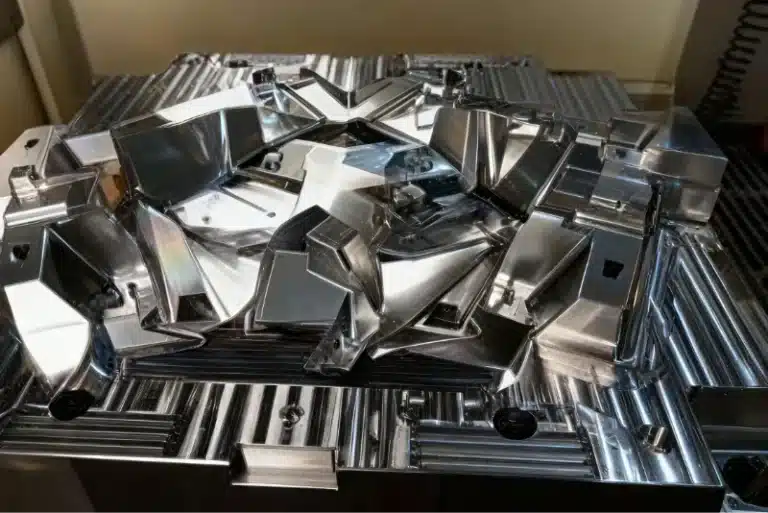
The core of the new strategy is Rapid Tooling—creating molds faster and cheaper using alternative materials and advanced processes. Here are the champions for startups:
1. Aluminum Molds: The Workhorse for Bridge Production
- How it works: Instead of hardened steel, molds are machined from softer aluminum.
- Cost: 50-70% cheaper than comparable steel molds.
- Precision: Excellent. Capable of producing parts with tight tolerances and high-quality surface finishes, perfect for market-ready products.
- Best for: Bridge production (runs of 1,000 to 10,000+ parts), functional testing, and launching your first product to market. While they wear out faster than steel, an aluminum mold can often produce tens of thousands of parts—more than enough for most initial startup runs
2. Silicone Molds (Vacuum Casting): For Ultra-Low Volume & Iteration
- How it works: A 3D-printed master part is used to create a soft silicone mold. Polyurethane resin is then poured in to create copies.
- Cost: Very low. A few thousand dollars per mold.
- Precision: Surprisingly high. Captures fine details and can mimic various material properties (rigidity, flexibility, color).
- Best for: Pre-launch validation. Creating 20-50 high-fidelity, functional prototypes for beta testing, investor demos, and trade shows. It’s the ultimate iteration tool before you commit to metal tooling.
3. 3D-Printed Molds (Injection Molding Directly from 3D-Printed Tools)
- How it works: Molds are 3D-printed from high-temperature resins or metals and used directly in an injection molding machine.
- Cost: Lowest for single-digit part runs.
- Precision: Good for form and fit, but surface finish and longevity are limited.
- Best for: Micro-production runs (10-100 parts) when you need the real material properties of an engineering-grade thermoplastic (like ABS or Nylon) but only need a handful of parts.
The Strategic Playbook for US Startups
How do you leverage this? Follow this staged approach:
Prototype & Iterate: Use in-house 3D printing for initial form/fit tests.
Validate & Refine: Order silicone-molded (Vacuum Cast) parts for your first 50 units. They look and feel production-ready. Use them for rigorous user testing.
Launch & Scale: Commit to an aluminum mold for your first production run of 1,000-5,000 units. The per-part cost is low, the quality is high, and you get to market fast.
Grow & Invest: Once your sales are proven and your design is 100% locked in, you can confidently invest in durable steel molds for mass production scaling to hundreds of thousands of units.
Finding the Right US-Based Partner
The key to making this work is your manufacturing partner. Look for machine shops or “digital factories” that specialize in on-demand manufacturing and rapid tooling. They should offer:
- DFM (Design for Manufacturability) Analysis: A good partner will proactively suggest design tweaks to make your part easier and cheaper to mold (e.g., adding draft, uniform wall thicknesses).
- Transparent Pricing & Online Quoting: Platforms like Xometry, Protolabs, and Fictiv have democratized access to these technologies with instant online quotes.
- Experience with Startups: They understand your need for speed, cost control, and flexibility.
The Bottom Line
You no longer need a massive war chest to create a high-quality manufactured product. By leveraging low-cost aluminum and silicone molding technologies, you can de-risk your hardware startup, preserve capital, and iterate with agility.
The barrier to creating world-class hardware is lower than ever. It’s time to build.
Ready to get a quote for your project?
Many manufacturers offer free DFM analysis. Upload your CAD model today and see how affordable your first production run can be.
Tags: #HardwareStartup #ProductDevelopment #InjectionMolding #RapidTooling #Manufacturing #DFM #Engineering #StartupTips #MadeInUSA